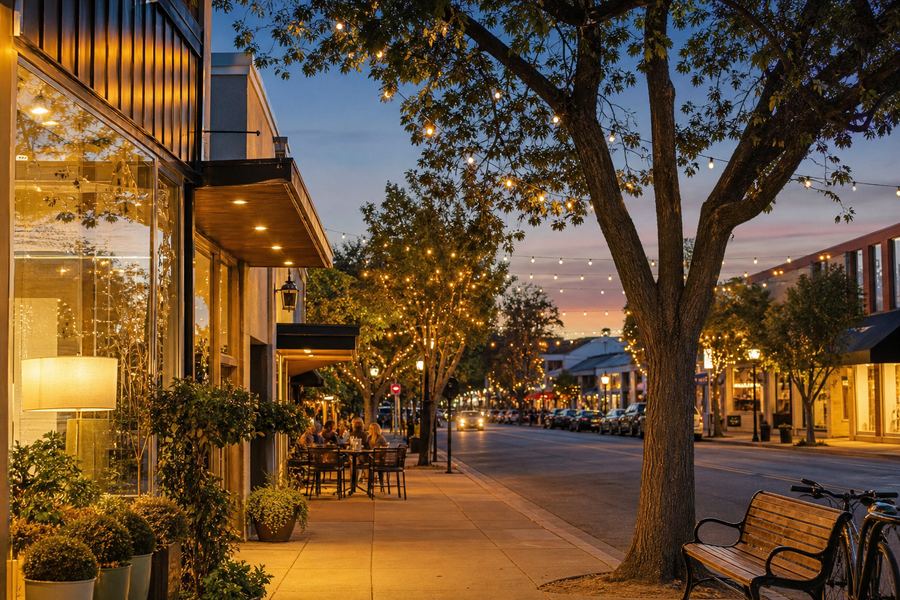
Bungalows, a walkable village, real character
Willow Glen
Willow Glen is the character market: 1920s and 1930s craftsman bungalows, deep porches, tree-canopied streets and a walkable downtown on Lincoln Avenue. Buyers pay for charm and walkability here, and they pay attention to what is behind the walls.
Pricing note: an original bungalow and a down-to-studs remodel three doors apart can differ enormously. Foundation, electrical, sewer lateral and permit history on additions are the items that decide value.
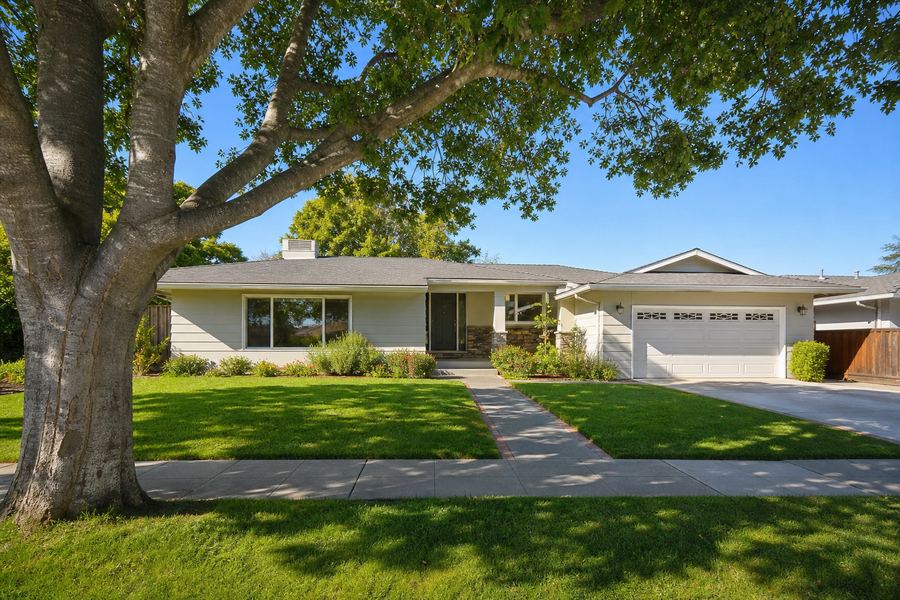
Mid-century ranch homes, steady demand
Cambrian Park
Cambrian is where a lot of San Jose families land: 1950s and 1960s ranch homes on flat, walkable streets, close to shopping and with a strong pull from school assignment. Homes here trade quickly because the buyer pool is deep and the inventory is modest.
Pricing note: verify school attendance by address, not by neighborhood name, and read whether an addition was permitted. Two similar ranch homes a few blocks apart can sit in different tiers for those two reasons alone.
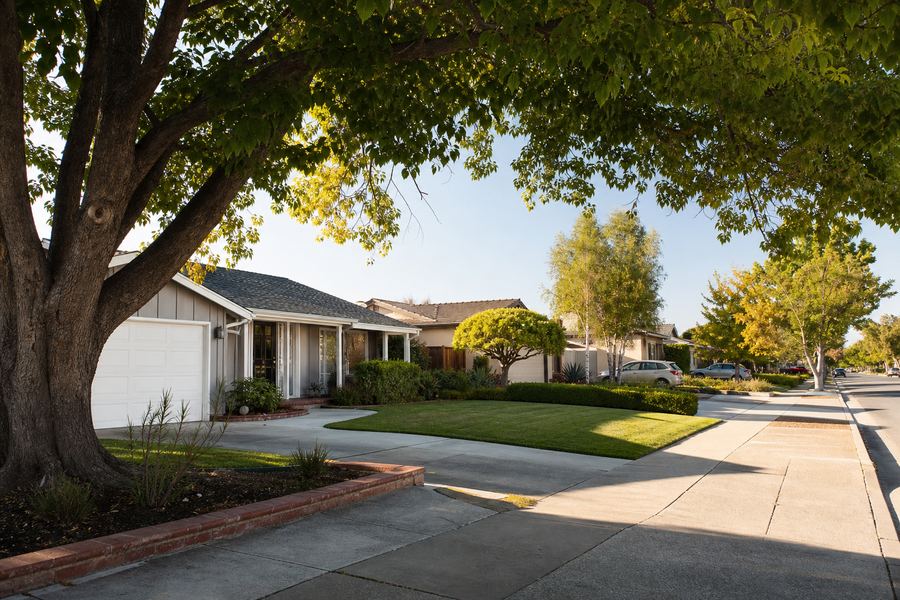
Central, convenient, wildly varied
Meridian corridor
The Meridian Avenue corridor runs through the middle of the city and touches Willow Glen, Cambrian and Burbank. It is the most convenient stretch of San Jose for commuting in almost any direction, and one of the hardest to generalise about, because eras and lot sizes change block by block.
Pricing note: proximity to the arterial itself is a real dollar adjustment. So is lot orientation and whether the property sits in an unincorporated pocket, which changes permitting and sometimes services.
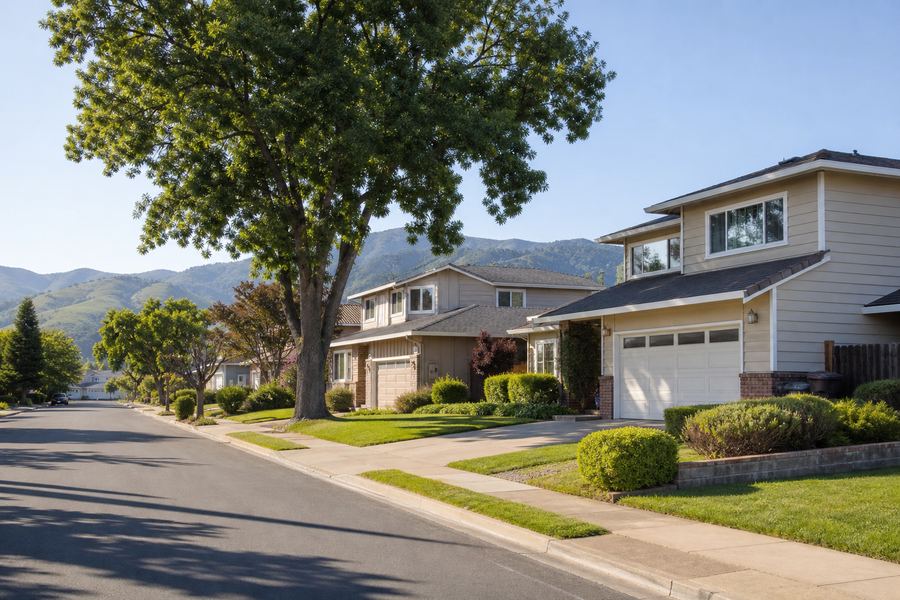
South San Jose value, family streets
Blossom Valley
Blossom Valley in South San Jose is where buyers priced out of the central neighborhoods find more square footage and a yard. Subdivisions from the 1960s to the 1980s, quiet cul-de-sacs, and a commute that trades minutes for space.
Pricing note: original versus updated matters more than square footage here, and HOA exposure varies by tract. Check for original panels, single-pane windows and roof age — they show up in the closed sales.
Foothills, community, first purchases
East San Jose & Alum Rock
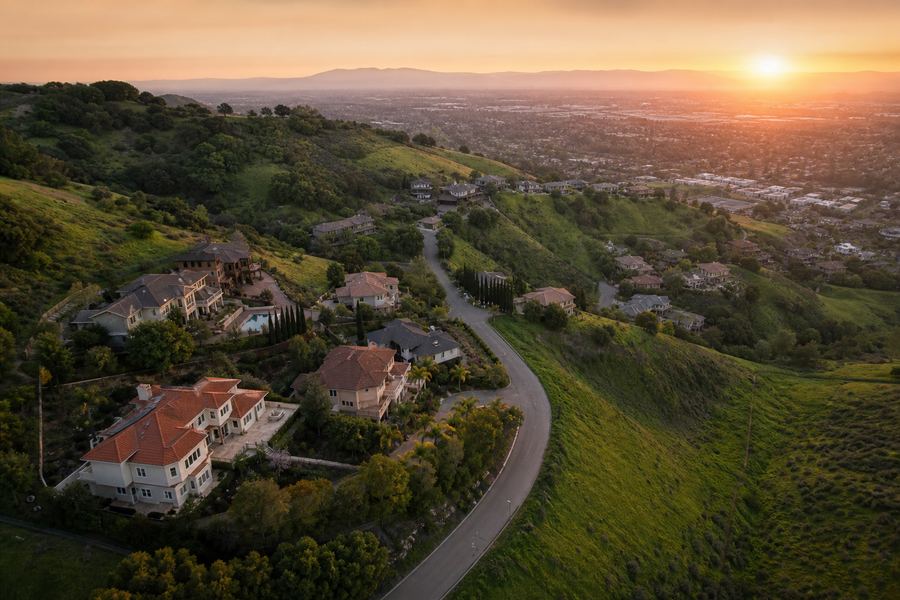
The east side climbs from Alum Rock toward the foothills: older bungalows and 1950s homes near the flats, views and larger lots as you rise, and a deeply rooted community. It is one of the most common places for a first purchase in this city, and one where good representation changes the outcome most.
Pricing note: elevation and view carry real dollars, and so do unpermitted additions, which are common. Read the permit history and the sewer and septic situation before anchoring on a number.
Condos, Victorians, walkable urban core
Downtown & Naglee Park
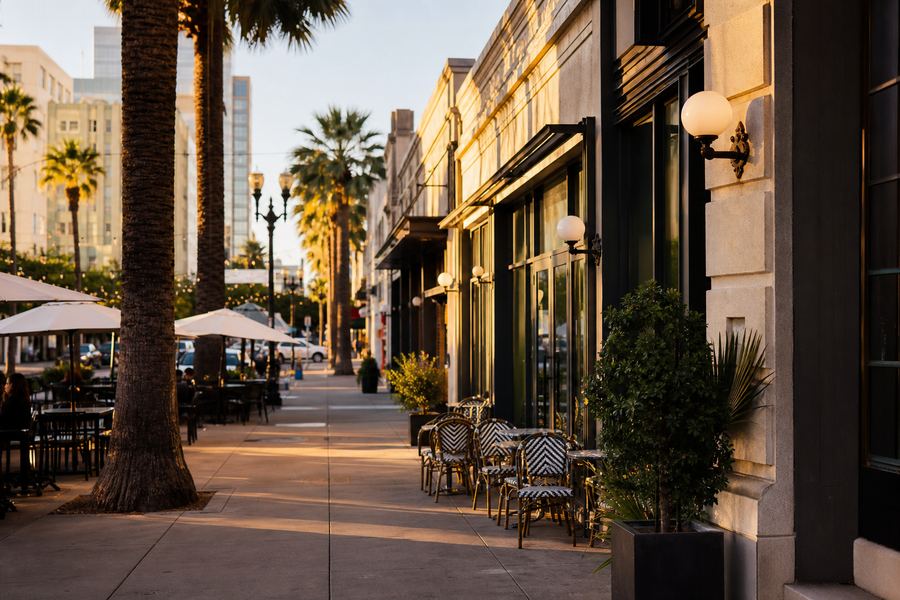
Downtown is two markets in one: newer condo and townhome towers near San Pedro Square and SAP Center, and the Victorian and craftsman streets of Naglee Park beside San Jose State. Walkability, transit and restaurants drive demand; the two housing types behave nothing alike.
Pricing note: on condos the HOA budget, reserves, rental caps and any litigation matter as much as the unit. In Naglee Park, historic status and permit constraints on exterior changes are the items to check first.
